
Stump Grinding in Cedar Park: What to Expect
A leftover stump is a tripping hazard and a mowing headache. Here is how stump grinding works and what the spot will look like when the crew leaves.
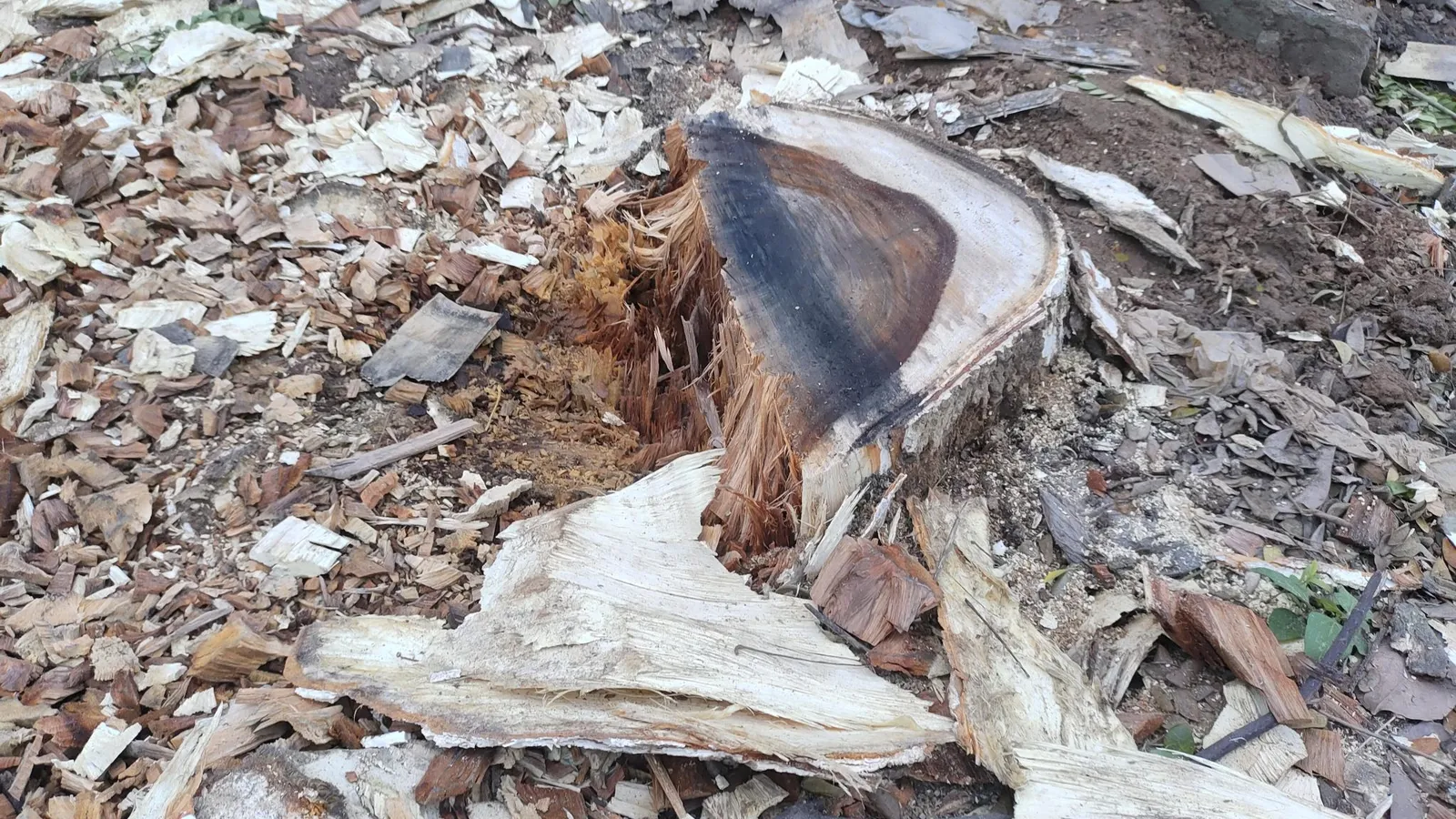
When a tree comes down, the stump is often left behind, either because the removal did not include grinding or because the homeowner planned to deal with it later. Months or years on, the stump is still there: in the way of the mower, sending up shoots, collecting weeds, or sitting exactly where a new bed or patio should go. Stump grinding is the usual solution, and knowing what to expect makes it easier to plan.
A stump grinder uses a heavy rotating wheel fitted with hardened cutting teeth. The operator sweeps the wheel back and forth across the stump, chipping the wood away a little at a time until it is below the surface. Our standard grinding takes the stump six to twelve inches below ground level, which leaves a smooth, plantable surface for grass or a bed. When the spot will be built on, or more of the root system needs to come out, deeper grinding is available. Surface roots running out from the stump can be ground as well, which is worth asking about if they trip people or catch the mower.
Before the crew arrives, mark anything underground near the stump: sprinkler heads and lines, landscape lighting wire, invisible dog fence, and drip tubing. A grinder will chew through these instantly if no one knows they are there. If the stump is near a gas meter, an electric service, or a utility box, mention it when you schedule, and call 811 so underground utilities are marked before any grinding below grade. Measure the narrowest point of the gate or side yard so the crew knows which machine will fit, and move pots, furniture, and vehicles out of the way. Chips fly while the grinder runs, so keep pets and children inside.
Grinding produces more material than most people expect, a mix of wood chips and soil that is far bulkier than the stump looked. We fill the hole with grindings and leave the yard clean and level. Over the following months, the chips and the roots left in the soil break down and the spot can settle, so a small dip may form. Topping it off with soil later is normal.
If you want grass in that spot, most of the chips need to come out first or be thoroughly mixed with soil. Fresh wood chips are a poor base for turf; as they decompose, they tie up nitrogen in the soil, and grass planted directly over them often turns yellow and struggles. Rake out most of the chips, fill with good topsoil, and then lay sod or seed. For a planting bed, the leftover chips can go to work as mulch elsewhere in the landscape. Planting a new tree in exactly the same spot is usually not ideal, since old roots still fill the soil; a spot a few feet away tends to give the new tree a better start.
Some trees send up sprouts from their remaining roots after the trunk is gone. Grinding out the root crown usually cuts down on sprouting, but a few shoots may still appear; cutting them back as they come up eventually exhausts the roots. Stumps left in place can attract termites, ants, and other insects, which is another reason not to leave them for years, especially close to the house.
Stump grinding can be done in any season. Many homeowners schedule it along with the tree removal, which is simplest, but an old stump can be ground any time. Several stumps across a property can usually be handled in a single visit.
Whether it is one stump in the front yard or several left after lot clearing, Lopez Landscaping & Tree grinds stumps across Cedar Park and surrounding communities with commercial-grade grinders that handle any stump size. Tell us what you plan to do with the space when you request a free estimate, so we can grind to the right depth.
Ready to get rid of that stump?
We grind stumps below grade and leave Cedar Park yards clean and level. Free estimates.