
Spring Tree Staking and Young Tree Care in Cedar Park
A young tree planted in Cedar Park needs help for the first two to three years. The care given in those early seasons decides how the tree grows for the next fifty.
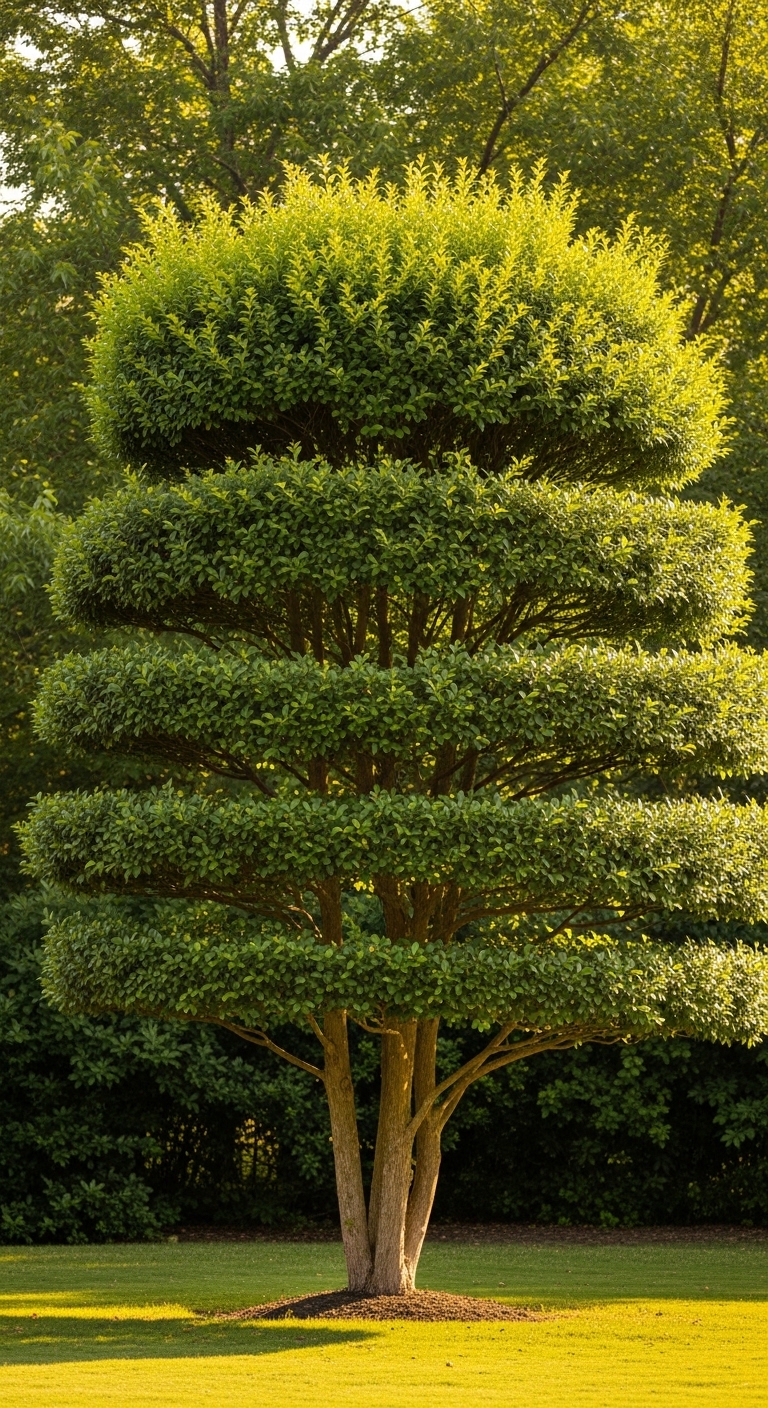
Cedar Park summers are tough on every plant in the landscape, but they are toughest on young trees. The first two to three years after planting are the make-or-break window. Roots have not yet pushed out of the original root ball, the trunk is too thin to support the canopy in heavy wind, and the watering needs are dramatically different from an established tree. Getting the first few seasons right is what produces a healthy mature tree decades later.
Stake correctly, then remove the stakes
Newly planted trees with a caliper under two inches usually benefit from stakes for the first growing season, especially on windy lots common in Cedar Park subdivisions. The stakes should sit outside the root ball and tie to the trunk with a wide flexible strap, not wire or rope, set loose enough that the trunk can move slightly in the wind. That movement is what builds trunk strength. Stakes left on too long create a weak, dependent trunk that cannot stand on its own — the right window is one growing season, two at most.
Water deeply, not frequently
A young tree in Central Texas needs roughly fifteen to twenty gallons of water per week during the first summer, delivered slowly enough that it soaks down to the bottom of the root ball instead of running off. A slow trickle from a hose, a Treegator-style watering bag, or a drip ring all work better than turning a sprinkler on the tree. Daily shallow watering trains roots to stay near the surface, which is the opposite of what a young tree needs in Cedar Park summers.
Mulch the root zone, not the trunk
A two to three inch mulch ring extending out to the drip line of a young tree does more for survival than almost any other intervention. It keeps the soil temperature down, holds moisture, and protects the bark from string trimmer damage — which is the leading cause of young tree death in residential landscapes. The mulch should never touch the trunk.
Skip the heavy pruning early
A common mistake is heavy structural pruning on a young tree to make it look balanced. The first three years should leave most of the canopy intact, because the leaves are what feed root growth. Light corrective pruning to remove crossing branches and obvious defects is fine, but anything more aggressive slows establishment. A Lopez tree crew can evaluate young trees across Cedar Park and recommend a multi-year care plan that gets the tree past the vulnerable years.
Pick species that actually want to live here
Half of young tree care is the planting choice. Live oak, cedar elm, chinquapin oak, Texas red oak, Monterrey oak, and Mexican sycamore all establish well in Cedar Park soil and tolerate the heat. Bradford pear, silver maple, and willow species struggle and tend to break apart within a decade. Choosing a species suited to Central Texas at the nursery saves years of fighting a tree that was never going to thrive on the lot. A short conversation with the crew before planting day usually pays for itself in the long run.
Lopez Landscaping & Tree Service handles this kind of work across Cedar Park, Leander, Liberty Hill, and the surrounding communities. We are bilingual, licensed, and dependable from the estimate through the final cleanup.
Looking for a dependable Cedar Park crew?
Lopez Landscaping & Tree Service handles landscaping, lawn care, tree work, and outdoor projects across Cedar Park and the surrounding area. Free estimates, bilingual service.