
Overseeding a Central Texas Lawn for Thicker, Healthier Turf
Overseeding fills in a thin, patchy lawn and builds thicker turf, but timing and method are everything in Central Texas. Here is how and when to overseed a Cedar Park lawn.
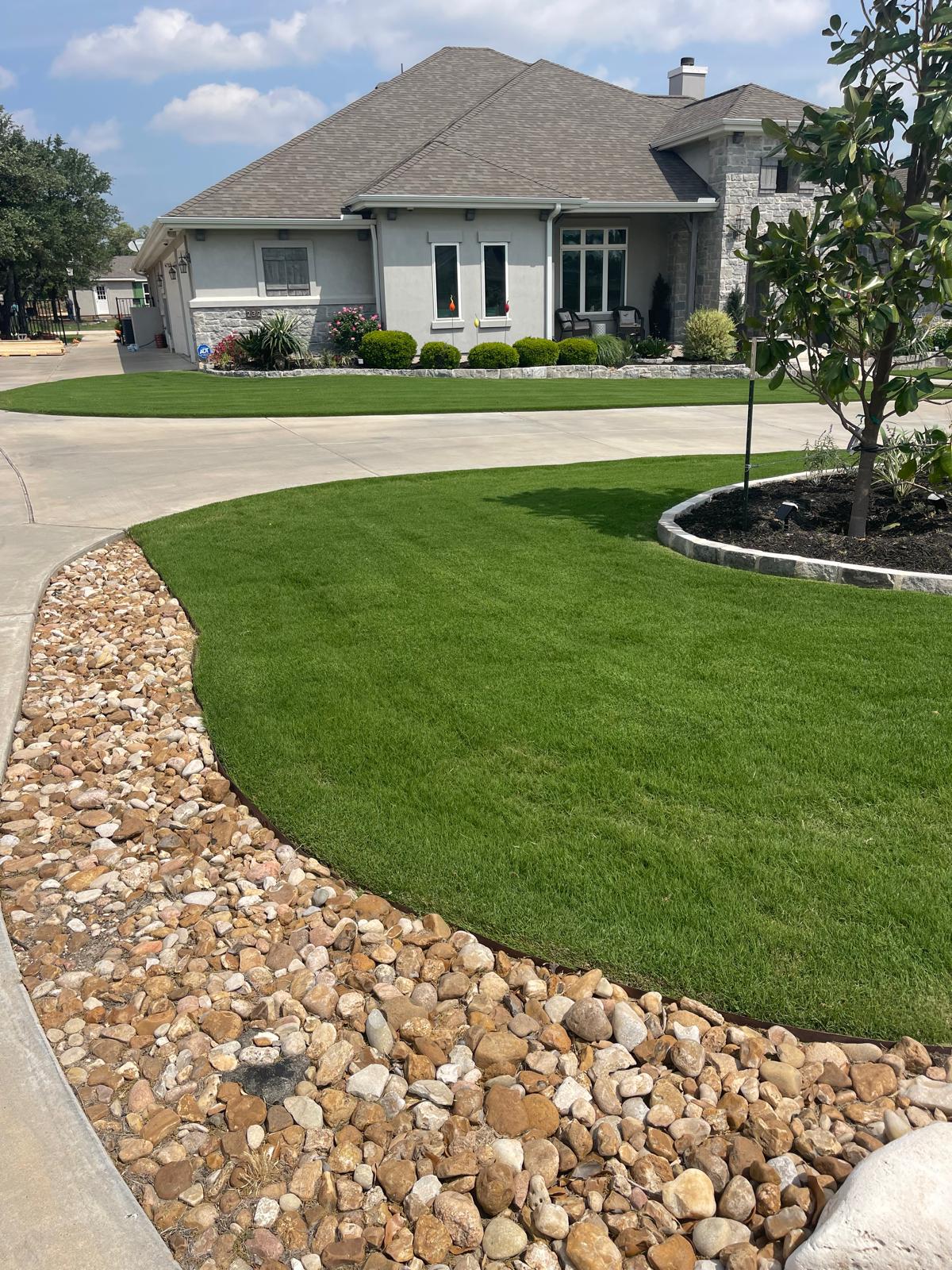
A thin, patchy lawn is a common frustration for Cedar Park homeowners, and overseeding, spreading new grass seed over an existing lawn to fill it in and thicken it, is one of the most effective ways to address it. Rather than tearing out and starting over, overseeding builds density into the lawn you already have, crowding out weeds and creating the lush, even turf most people want. But overseeding is not as simple as scattering seed and hoping, and in Central Texas the timing and method make all the difference between a lawn that fills in beautifully and seed that never takes. Understanding how to do it right is what turns overseeding into real results.
Timing is the single most important factor, and it depends on the type of grass. The warm-season grasses common in Central Texas lawns have a specific window when overseeding takes best, tied to the temperatures that let the seed germinate and establish before conditions turn against it. Overseeding at the wrong time, into the peak of summer heat or as the lawn heads toward dormancy, wastes the seed, since it either cannot establish in the stress or does not have time to root before conditions stop it. Matching the overseeding to the right seasonal window for the grass is the foundation of success.
Preparation determines whether the seed ever reaches the soil, which is essential because seed sitting on top of thatch or compacted ground will not germinate. The lawn typically needs to be mowed a bit lower than usual and any heavy thatch addressed so the seed can make contact with the soil, and in the compacted clay soils around Cedar Park, aerating before overseeding helps enormously by opening the soil so seed and water reach the root zone. Good seed-to-soil contact is the make-or-break detail, and preparing the lawn so the seed lands on soil rather than debris is what gives it a chance.
Watering is critical during establishment, and it is where many overseeding attempts fail. New seed needs consistent moisture to germinate and establish, which means keeping the seeded area evenly moist through the germination period, typically lighter, more frequent watering than an established lawn gets, without washing the seed away or letting it dry out. This is a demanding stretch that requires attention, and letting the seedbed dry out even briefly during germination can kill the emerging grass. Planning to keep the lawn properly watered through establishment is part of committing to overseeding.
Choosing the right seed and following through with care completes the job. The seed should match or complement the existing lawn and be suited to Central Texas conditions and the site's sun and shade, since the wrong grass for the spot will struggle no matter how well it is seeded. After the new grass establishes, easing it into a normal mowing and watering routine and keeping the lawn healthy is what lets the fresh, thicker turf mature. Overseeding is not a one-day task but a short project that rewards attention through establishment.
Done at the right time, with proper preparation, diligent watering, and the right seed, overseeding transforms a thin, tired Cedar Park lawn into thick, healthy turf that resists weeds and looks the way a lawn should. Done carelessly or at the wrong time, it is wasted seed and effort. Lopez Landscaping & Tree helps Cedar Park homeowners overseed their lawns the right way, from timing and aeration through establishment, with bilingual service and free estimates, so a patchy lawn fills in and thrives rather than staying thin.
Need help with your Cedar Park yard?
We handle landscaping, lawn care, and tree service across Cedar Park and the surrounding area. Free estimates, bilingual service.