
Native Trees for Fall Color in Cedar Park Yards
Fall color in Central Texas comes late and varies from year to year, but a few native trees reliably turn red, orange, or gold. Late fall is a good time to plant them.
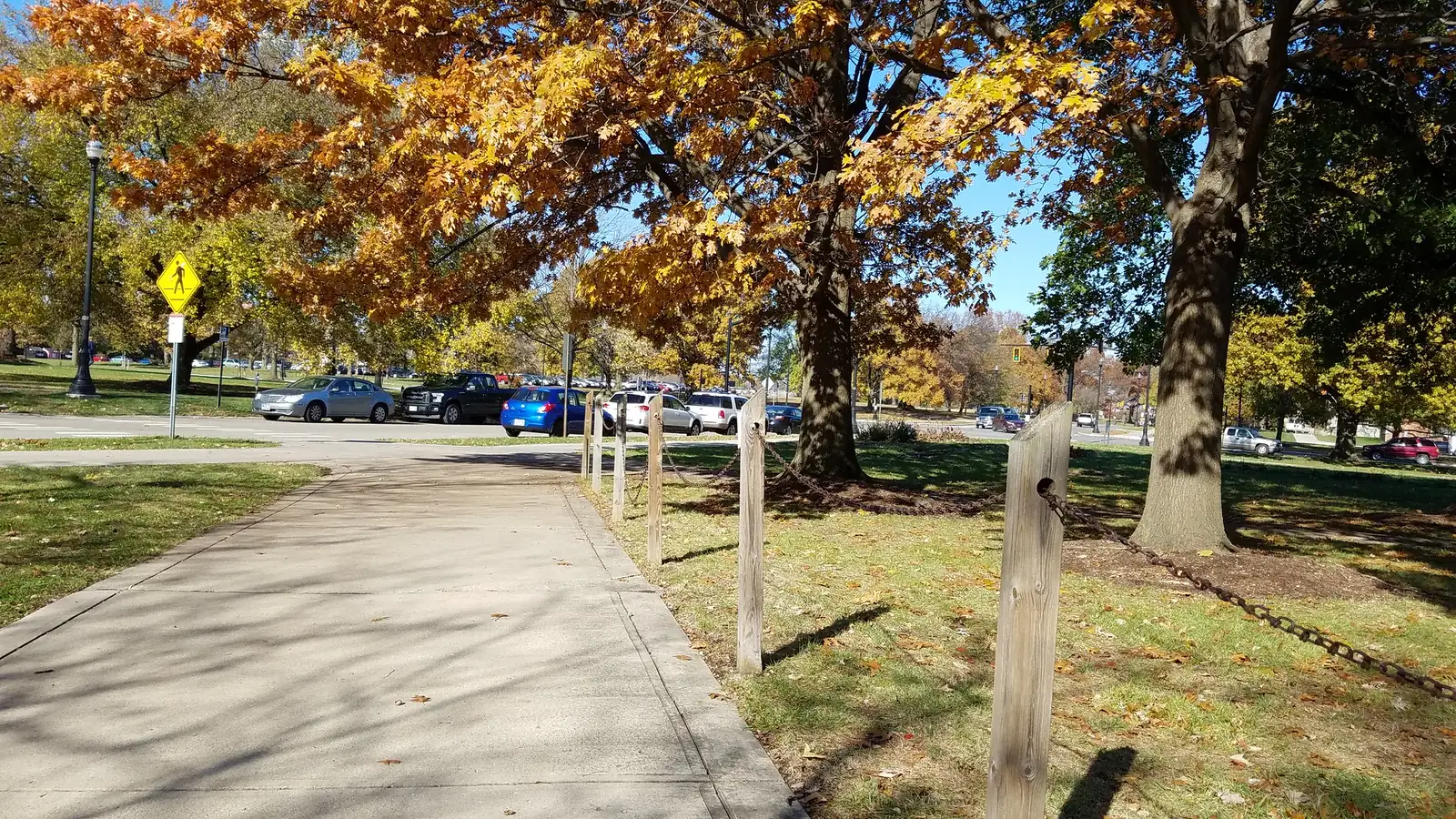
Around Cedar Park, the best fall color usually shows up in November and can run into early December, later than many people expect. It also changes a lot from year to year. A dry fall, a long warm spell, or an early hard freeze can cut the show short. Even so, a few native trees turn reliably enough to be worth planting, and the trees coloring up around town right now are a good guide to what you might want in your own yard.
Texas red oak is the classic choice. It is native to the Hill Country, handles the thin, rocky, alkaline soil common around Cedar Park, and its leaves turn red to russet in late fall. Shumard oak is a close relative that grows larger and prefers deeper soil. Both belong to the red oak group, which is highly susceptible to oak wilt. Give them room away from existing oaks, and avoid pruning or wounding them from February through June, when the risk of spreading oak wilt is highest.
Bigtooth maple is the tree behind the well-known fall color at Lost Maples State Natural Area, in the Hill Country northwest of San Antonio. It can grow in Cedar Park yards, but it needs more care than the oaks. It does best with some afternoon shade, good drainage, and steady water through its first few summers. Treat it as a smaller accent tree rather than a big shade tree.
For gold instead of red, cedar elm is a tough, drought-tolerant native that turns yellow in late fall, and it is already one of the most common yard and street trees in the area. Mexican plum adds modest fall color along with white flowers in early spring. Among smaller plants, flameleaf sumac turns bright red and works well at the back of a bed or along a fence line, though it spreads and needs room.
Where you plant changes how much color you get. Most of these trees color best in full sun, and a tree planted in heavy shade may simply turn brown and drop. Think about where you will actually see the tree in November: from the kitchen window, from the street, or from the back patio. Leave room for the full-grown canopy, keep large trees well away from the house and roof line, and look up for overhead lines before you pick a spot.
Late fall is a good time to plant in Central Texas because roots keep growing through the mild winter while the top rests, so the tree starts its first summer better established. Dig a hole wider than the root ball but no deeper, set the root flare at or slightly above grade, and backfill with the soil you took out. Water deeply after planting and during dry spells through winter, and spread mulch in a wide ring, keeping it off the trunk.
Shopping now has one more advantage. Nursery trees are still showing their fall color, so you can see what each one actually does before you buy. Choose a container tree with a straight trunk, a good branch structure, and roots that are not circling tightly around the pot.
Lopez Landscaping & Tree plants trees and shrubs as part of landscape projects for homes and businesses in Cedar Park and surrounding communities, and we can help you pick a species and a spot that will do well here. Ask for a free estimate if you want more color in the yard next November.
Want more fall color next year?
We plan and plant trees, shrubs, and beds for Cedar Park yards. Free estimates.