
Lot Clearing in Cedar Park: What to Decide Before You Build
Clearing can only be undone in one direction. Deciding what stays before the machines arrive protects the trees and features that make the property worth building on.
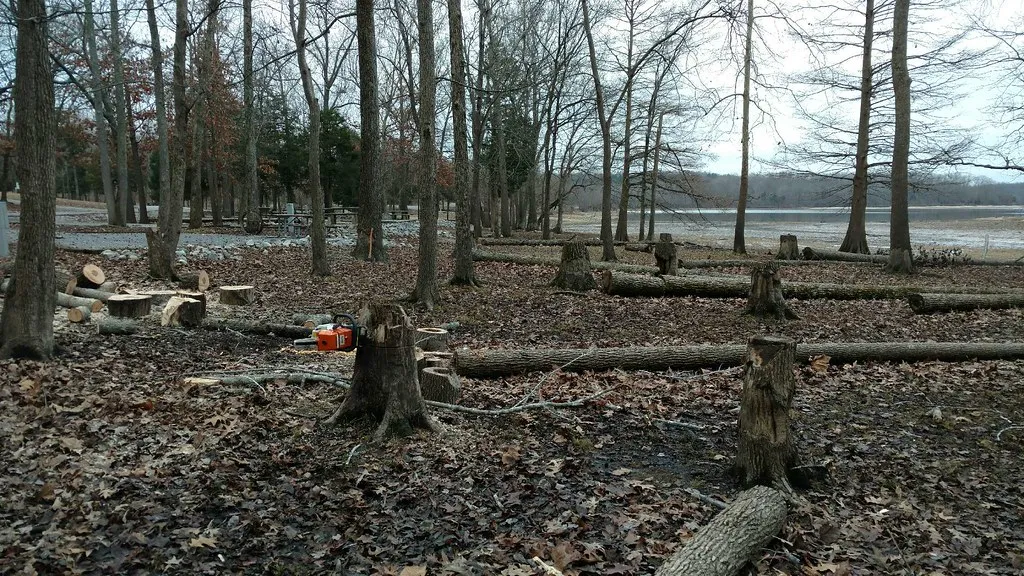
When a new home, an addition, a barn, or a long driveway is planned on a wooded Cedar Park property, clearing is often the first visible step. It is also the step with the most permanent consequences. A mature oak that took decades to grow can be gone in minutes, and soil compacted by heavy equipment can affect the trees that remain for years. A little planning before clearing begins makes a big difference in how the finished property looks.
Walk the property before any work starts and mark the trees you want to keep. Healthy live oaks, Spanish oaks, cedar elms, and other good shade trees near the future house or outdoor living areas are worth building around. Mark them with bright tape or paint, and make sure everyone involved, including the builder, knows which ones they are. Trees that are dead, diseased, badly placed, or of weak species are better candidates for removal.
Saving a tree means protecting more than its trunk. Most of a tree's roots are in the top foot or two of soil and spread well past the edge of the canopy. Heavy equipment driving over that area, stockpiled soil or materials, and trenching for utilities can damage enough roots to kill a tree a few years later. Temporary fencing around protected trees, set out as far as practical, keeps traffic and materials out of the root zone during construction.
Many cities in Central Texas regulate the removal of larger trees on property being developed, and some require surveys, permits, or replacement plantings. Before clearing, check with the City of Cedar Park or your county about tree preservation and permit requirements for your site. Confirm property lines and setbacks, and call 811 so utilities are marked before any grubbing or digging. Larger sites may also need erosion control to keep soil from washing away in heavy rain, and your builder or engineer can tell you what the project requires.
Oak wilt is a serious concern in this area. Oaks wounded in spring, roughly February through June, are at the highest risk, so scheduling clearing near oaks for the cooler months reduces that risk. Any wound on an oak, including torn roots and broken branches from equipment, should be painted right away. That is one reason fall and early winter work well for clearing projects.
Clearing generates a lot of material. Brush and small trees can be chipped or mulched on site, which is often the most practical option and leaves mulch for landscaping later. Larger wood can be hauled away or cut for firewood. Burning is restricted during burn bans and subject to local rules, so do not count on it as the disposal plan. Stumps can be ground out where the driveway, pad, and lawn will go.
Full clearing is fast and simple, but it often removes more than necessary and leaves bare ground that erodes and fills with weeds. Selective clearing, removing underbrush, dead trees, and unwanted species while keeping the best trees, takes more care but usually produces a more valuable and attractive property. Many plans combine the two: fully clear the building pad and driveway, and selectively clear the rest.
Lopez Landscaping & Tree prepares terrain for new construction in Cedar Park and surrounding communities, and we can follow the clearing with tree removal, stump grinding, and landscaping once the building is finished. Ask for a free estimate and we will walk the site with you to plan what comes out and what stays.
Clearing a lot for a new build?
We handle lot clearing, tree removal, and stump grinding for Cedar Park properties. Free estimates.