
Fence Repair or Replacement? Checking Your Fence After Summer
Heat, drought, and the first fall storms are hard on fences. A careful look now tells you whether a few repairs will do or it is time to plan a replacement.
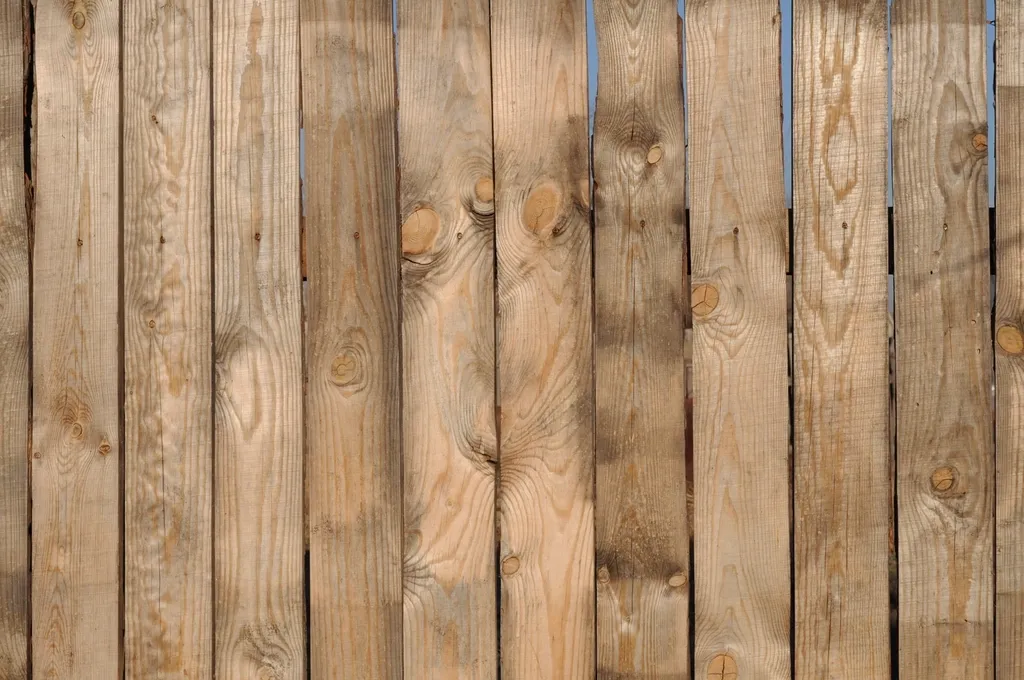
A fence takes a beating in Central Texas. Months of sun bake the wood and fade finishes, dry clay soil shrinks away from posts, and the first heavy rains of fall make that same soil swell again. Add wind from passing storms and the occasional falling limb, and it is no surprise that many Cedar Park fences start leaning, sagging, or loosening by the end of summer. Fall is a good time to deal with it: the weather is comfortable for outdoor work, and a sound fence is ready for winter fronts and for guests during the holidays.
Walk the full length of the fence, on both sides if you can. Push gently on each post; a post that moves at the base is the most important thing to find, because the rest of the fence depends on it. On wood posts, probe the wood right at the ground line with a screwdriver, since that is where rot usually starts. Look for rails that are cracked or pulling away from the posts, pickets that are loose, split, or warped, and fasteners backing out. Then check the gate. Does it swing freely and latch without being lifted? A sagging gate usually points to a loose hinge post or a gate frame that has twisted out of square.
Much of the soil in this area is expansive clay, which shrinks when it dries and swells when it gets wet. Season after season, that movement loosens posts and tilts sections of fence. Posts set shallow, or without enough concrete or compacted gravel around them, are the first to go. When posts are reset or replaced, setting them deeper and making sure water drains away from the base helps the repair last.
Repair makes sense when the problems are limited: a few rotted or leaning posts, a section of broken pickets, a sagging gate, or storm damage along one run. Individual posts can often be replaced or reinforced without rebuilding the whole fence, and loose pickets and rails can be refastened with exterior-grade screws. New boards will look different from weathered ones at first. Cedar and pine both gray with time, and staining the whole fence after repairs can even out the appearance.
Replacement is usually the better investment when many posts are rotted or leaning, when the fence leans along most of its length, when rails are failing across several sections, or when you are fixing the same spots every year. It is also the moment to reconsider material and design. Wood, vinyl and composite, chain link, and iron each come with different costs, upkeep, and looks, and a privacy fence along a back property line has different needs than a decorative fence out front.
Before new posts go in, confirm where the property line is and check your HOA's rules on height, style, and material, since many neighborhoods have specific requirements. Call 811 to have underground utilities marked before any post holes are dug, and ask your city whether the work needs a permit. If the fence is shared with a neighbor, talk with them before work starts, especially if the repair affects their side or the style will change.
Look at what is growing along the fence, too. Vines and shrubs pressing against boards keep the wood damp and add weight, tree roots can lift posts, and overhanging limbs can fall onto the fence in a storm. Trimming back growth and removing dead limbs over the fence line protects a new or repaired fence.
Lopez Landscaping & Tree installs and repairs wood, vinyl, chain link, and iron fences for homes and businesses in Cedar Park and surrounding communities, including storm damage, rot, and leaning posts. Ask for a free estimate and we will look at the fence with you and give you a clear price for repair or replacement before any work begins.
Fence leaning or sagging?
We repair and install wood, vinyl, chain link, and iron fences for Cedar Park properties. Free estimates.